

10 Best Anti-Inflammatory Foods for Healthy Skin

10 Best Anti-Inflammatory Foods for Healthier Skin You Need to Try Today
Want glowing, healthier-looking skin without shelling out for treatments? The solution might be sitting right on your plate. When it comes to skincare, what you put into your body can be just as beneficial as what you put on it. If you're chasing that natural glow, developing a skin-loving diet rich in anti-inflammatory foods can be your skin's new best friend. In this guide, we’ll explore the most powerful foods for healthy skin—and how they can calm inflammation from within.
Why Anti-Inflammatory Foods Are Essential for Skin Health

Inflammation is often at the root of many skin issues—acne, eczema, psoriasis, premature aging—you name it. When your body is inflamed, your skin shows it: redness, puffiness, breakouts, dryness.
Anti-inflammatory foods nourish your skin cells, stimulate collagen production, and calm internal stress, setting the stage for a clear, smooth complexion.
In short: Feed your skin what it needs, and it will love you back.
The 10 Best Anti-Inflammatory Foods for Healthier Skin
1. Fatty Fish (Salmon, Mackerel, Sardines)
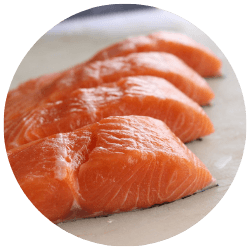
Rich in omega-3 fatty acids, these fish fight inflammation, hydrate the skin, and make it plump. Omega-3s also render the skin barrier strong, thus dryness and redness are kept at bay.
Why it's great: Fatty fish are rich in omega-3 fatty acids, which dampen chronic inflammation that leads to redness and dryness in the skin.
Science says: Omega-3s were found to reduce inflammatory markers such as IL-6 and TNF-α.
Bonus tip: Aim for two servings a week for maximum skin payoff.
2. Avocados
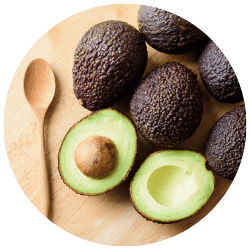
Creamy and rich, avocados are packed with vitamin E, vitamin C, and healthy fats—all skin savers that make skin smoother and plumper. Vitamin E is an antioxidant powerhouse that protects your skin from oxidative damage.
Why it's great: Avocados are rich in healthy monounsaturated fats and vitamin E, which protect skin cells from oxidative damage and keep them supple.
Science says: Studies indicate that vitamin E in avocados provides a natural antioxidant shield against free radicals.
Try it: Incorporate half an avocado into your daily salad or breakfast toast.
3. Berries (Blueberries, Strawberries, Raspberries)
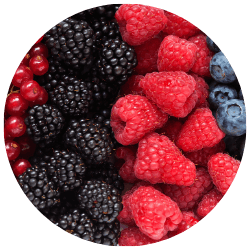
Berries contain antioxidants such as vitamin C and polyphenols that safeguard your skin against free radicals. They also help to increase collagen production for firmer, younger-looking skin.
Why it's great: Berries are full of vitamin C and antioxidants that neutralize harmful free radicals, promoting skin repair and collagen formation.
Science says: Polyphenols in berries have anti-inflammatory activity and help in skin photoprotection.
Pro tip: Toss them in smoothies or on oatmeal for an easy glow-up.
4. Leafy Greens (Spinach, Kale, Swiss Chard)
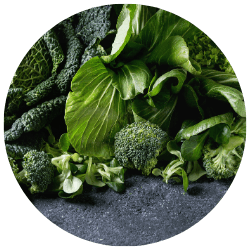
Greens pack a punch of vitamins A, C, and K—all vital for skin healing, hydration, and strength. They also reduce puffiness and redness thanks to their anti-inflammatory properties.
Why it's great: These greens provide vitamins A, C, and K—all important for skin healing, hydration, and reducing inflammation.
Science says: Vitamin K improves skin elasticity and wound healing through regulation of collagen turnover.
Kitchen hack: Sneak a handful of spinach into your next smoothie—you won't even taste it!
5. Turmeric

Thanks to curcumin, its powerful active compound, turmeric is an anti-inflammatory superhero. Curcumin soothes inflammatory skin conditions like acne and eczema from the inside out.
Why it's great: Turmeric contains curcumin, one of the most powerful natural anti-inflammatories, which reduces eczema and psoriasis flare-ups.
Science says: Curcumin modulates inflammatory cytokines and improves oxidative stress levels.
How to use: Add a dash to teas, curries, or even sprinkle over roasted vegetables.
6. Walnuts
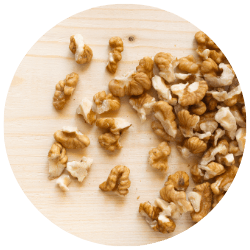
Walnuts are high in omega-3s, zinc, and vitamin E. Together, these nutrients support healthy skin structure, regulate oil production, and fight inflammation.
Why it's great: Walnuts are packed with alpha-linolenic acid (ALA), a plant-based omega-3 that reduces inflammation and supports cell membrane integrity.
Science says: Diets high in ALA have been shown to lower the levels of inflammatory biomarkers.
Snack swap: Swap processed snacks for a handful of walnuts for a skin-nourishing crunch.
7. Tomatoes
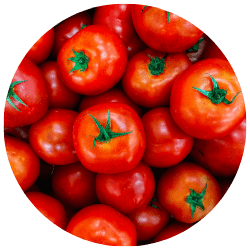
Tomatoes are filled with lycopene, a powerful antioxidant that shields your skin from UV damage and imparts a healthier glow to your complexion. Cooking tomatoes increases their lycopene content!
Why it's great: Tomatoes are lycopene-rich, with an antioxidant that guards skin cells from UV radiation and oxidative stress.
Science says: Lycopene supplementation decreases markers of oxidative stress considerably and improves skin photo protection.
Pro tip: Think roasted tomatoes, tomato soups, and tomato salads fresh.
8. Green Tea

Green tea is packed with catechins, potent antioxidants that boost the skin's health by reducing redness, while improving hydration and elasticity.
Why it's great: Green tea's catechins protect skin from damage, improve elasticity, and fight inflammation.
Science says: Green tea's epigallocatechin gallate (EGCG) suppresses the expression of inflammatory mediators.
Daily ritual: Swap one daily coffee for green tea to nourish your skin from the inside out.
9. Sweet Potatoes
Rich in beta-carotene, sweet potatoes help shield your skin from the sun and enhance your skin tone overall. Beta-carotene is converted to vitamin A, which helps to repair skin.
Why it works: Rich in beta-carotene, sweet potatoes are converted to vitamin A in the body, which strengthens the skin barrier function.
Science says: Beta-carotene acts as a natural photo-protectant, rendering skin less sensitive to the sun.
Cooking idea: Sweet potato fries baked in the oven are an excellent healthy, radiant-skin snack.
10. Dark Chocolate (70% cacao or higher)

Yes, you read that right! Dark chocolate with high cacao content is packed with flavanols, an antioxidant that saves your skin from sun damage and improves blood flow for a radiant glow.
Why it's great: Dark chocolate with high cacao content contains lots of flavonoids that protect against sun damage and moisturize the skin.
Science says: Dark chocolate flavanols enhance skin density and skin hydration levels.
Treat wisely: A little square a day keeps the dull skin at bay.
How a Skin-Friendly Diet Can Revolutionize Your Radiance
When you include anti-inflammatory foods in your diet on a regular basis, you're giving your skin the building blocks it needs to:
- Repair damage more quickly
- Reduce redness and breakouts
- Retain elasticity and moisture
- Combat environmental stressors
A skin-healthy diet quietly but surely does its magic over time, forming a foundation for more glowing, healthier skin that no cream can alone offer.
Simple Meal Ideas to Stock Up on Skin-Healthy Foods
- Breakfast: Greek yogurt with blueberries, walnuts, and honey drizzle
- Lunch: Spinach salad with avocado, tomatoes, and grilled salmon
- Dinner: Sweet potato mash with roasted turmeric chicken and sautéed kale
- Snacks: Dark chocolate squares and green tea
The secret? Consistency. Incorporate these foods into your regular routine, not as a quick fix.
Foods that Restrict Healthier Skin
As important as it is to include the right foods, it's also important to remove inflammatory culprits such as:
- Refined sugars
- Processed foods
- Excessive dairy
- Fried foods
- Alcohol
Cutting back on these can maximize the effects of your anti-inflammatory options!
Sally So's Story: Nourishing for Glow and Skin Strength

Behind the development of Genomii AI is the personal journey of its founder, Sally So. After battling eczema since her teenage years, Sally knew from a young age that topical creams only scratched the surface of real healing.
Driven by her personal battle, she began to research how inner health affects outer beauty—and discovered the incredible potential of anti-inflammatory foods.
For Sally, conscious eating wasn't just about managing eczema flare-ups—it was her anti-aging strategy.
"When I nourish my body with anti-inflammatory foods, my skin feels more tranquil, strong, and radiant," Sally explains.
She includes skin-nourishing foods like wild-caught salmon, green tea, and avocados in her life personally—not just to manage eczema, but to maintain that healthy glow of youth that no serum could replicate.
Her experience gave rise to the idea for Genomii AI: a simple, science-based system that enables you to understand what your unique body truly requires to thrive.
Want to see how Sally handles her own Skin Inflammation in real life?
Catch up with Sally So's journey on her YouTube channel: The DNA Diva for real stories, honest skincare reviews, and behind-the-scenes tips on how she uses Genomii AI to calm and care for her skin every day.
Track Your Skin-Friendly Diet the Smart Way with Genomii AI

Want to make eating for your skin a snap?
With Genomii AI, simply photograph your meal, and the app will analyze the nutritional content, track your diet, and recommend anti-inflammatory foods tailored to your skin's needs—even based on your DNA profile.
Genomii takes the guesswork out of eating for healthier, radiant skin—all from the comfort of your daily food photos.
Want to eat for your skin type? Learn how Genomii AI helps you pair food to your skin needs
Frequently Asked Questions About Anti-Inflammatory Foods for Healthy Skin
Can anti-inflammatory foods really help my skin?
- Absolutely! Chronic consumption of anti-inflammatory foods can reduce long-term skin inflammation, leading to brighter, clearer skin.
How long will it take to notice differences in my skin?
- You can begin to notice improvements in skin hydration and radiance within a few weeks, but deeper healing typically requires 6–8 weeks of consistent dietary changes.
Are supplements a substitute for anti-inflammatory foods?
- Supplements can be beneficial but should not take the place of whole food. Whole foods offer a more complete spectrum of nutrients necessary for skin health.
Will eating these foods improve eczema or acne?
- Yes! Anti-inflammatory diets are commonly prescribed to assist in controlling chronic skin conditions such as eczema and acne.
Is dark chocolate actually beneficial for the skin?
- Dark chocolate with a high cacao content (70%+) is full of skin-protecting antioxidants when eaten in moderation.
Should I eliminate dairy and gluten completely for good skin?
- Not for everyone necessarily. But if you experience breakouts, it is worth exploring under the supervision of a professional or using services like Genomii AI.
Conclusion: Feed Your Skin, Transform Your Life
Formulating a skin-healthy diet that's rich in anti-inflammatory foods is not just about achieving external beauty, but it's about building an inner, long-lasting health from the inside out. The journey to radiant skin starts with what you nourish your body on a daily basis.